
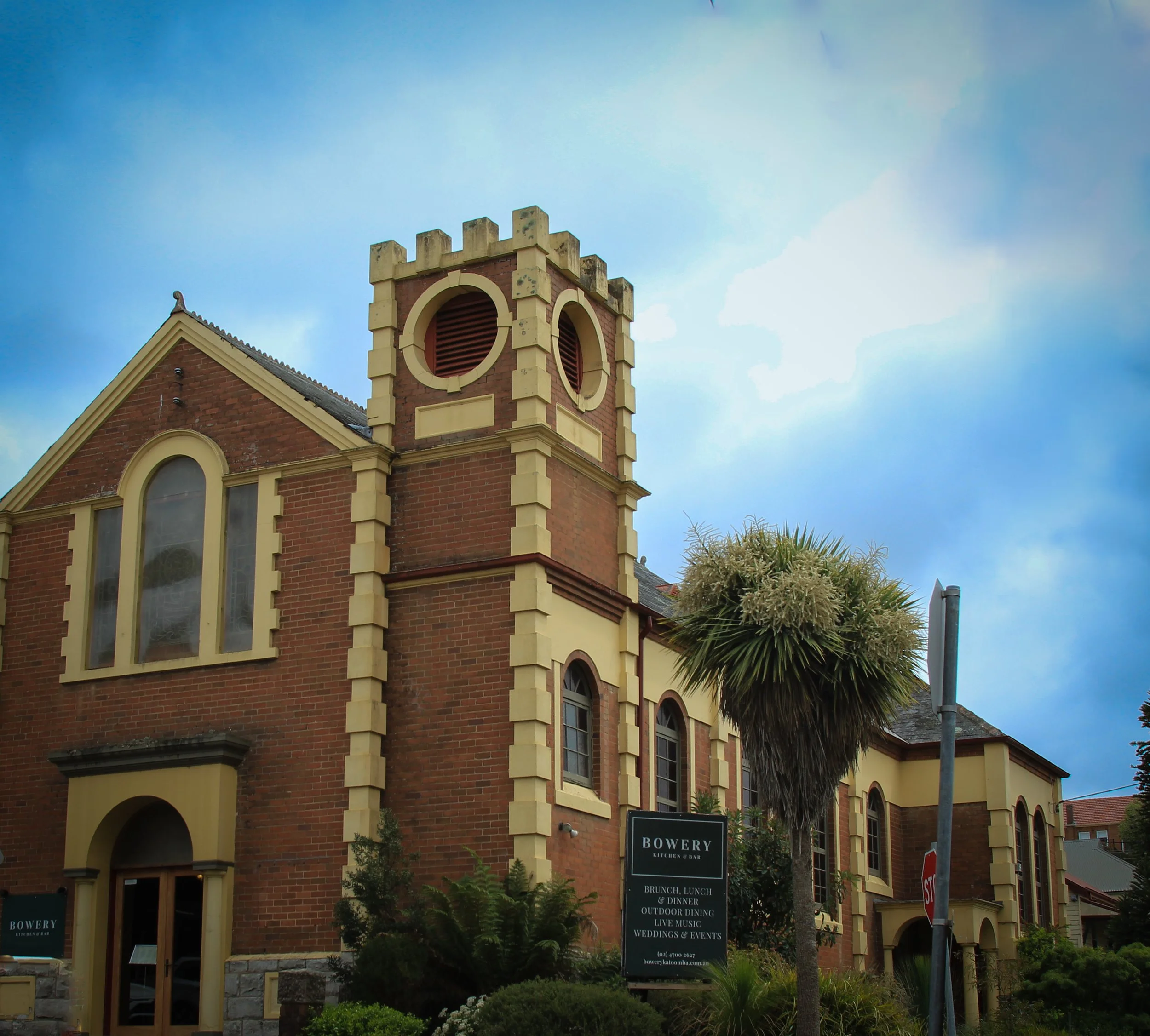
Welcome to Bowery
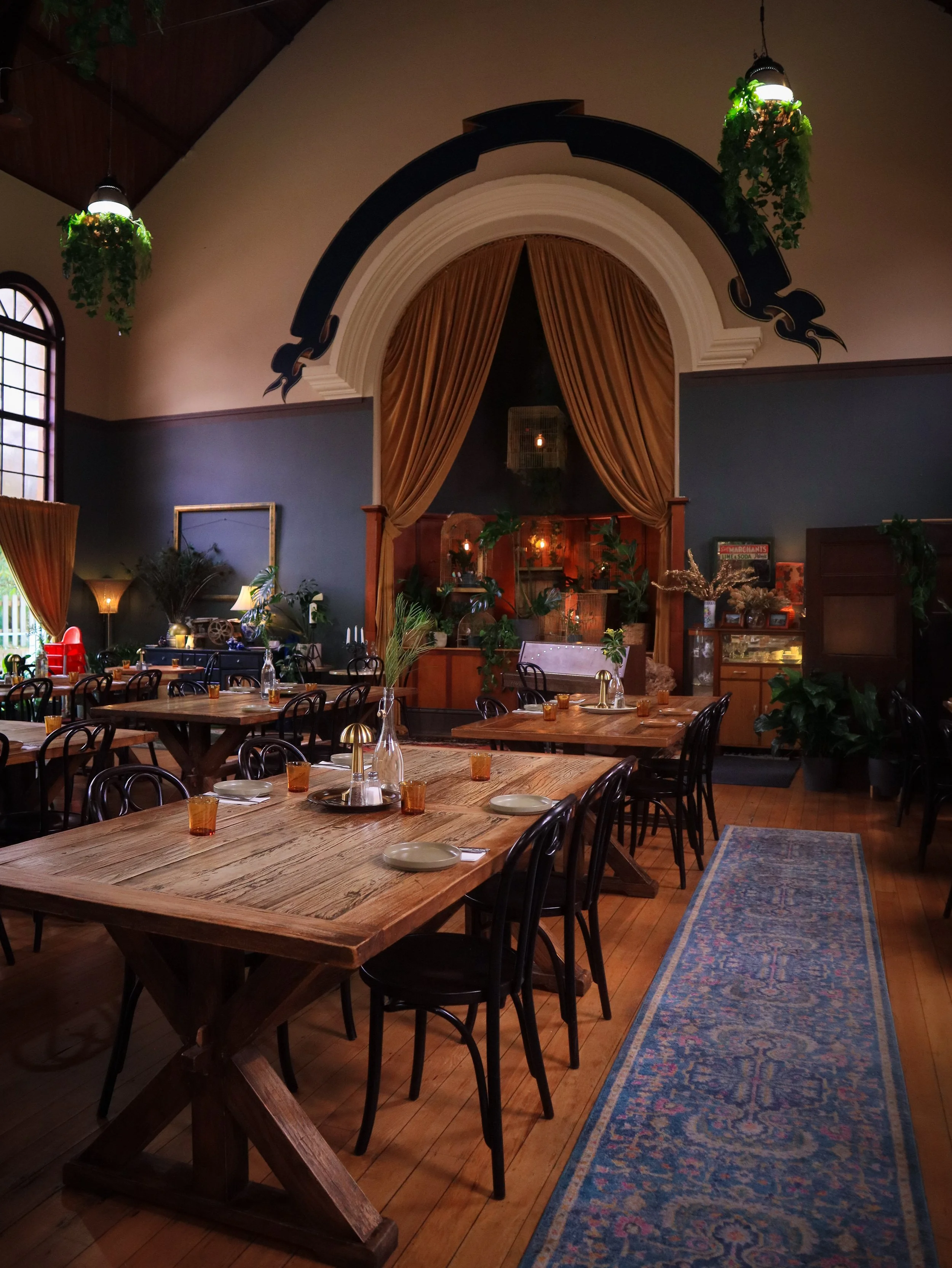
Make your way to BOWERY, an exciting concept in the heart of the Blue Mountains at Katoomba.
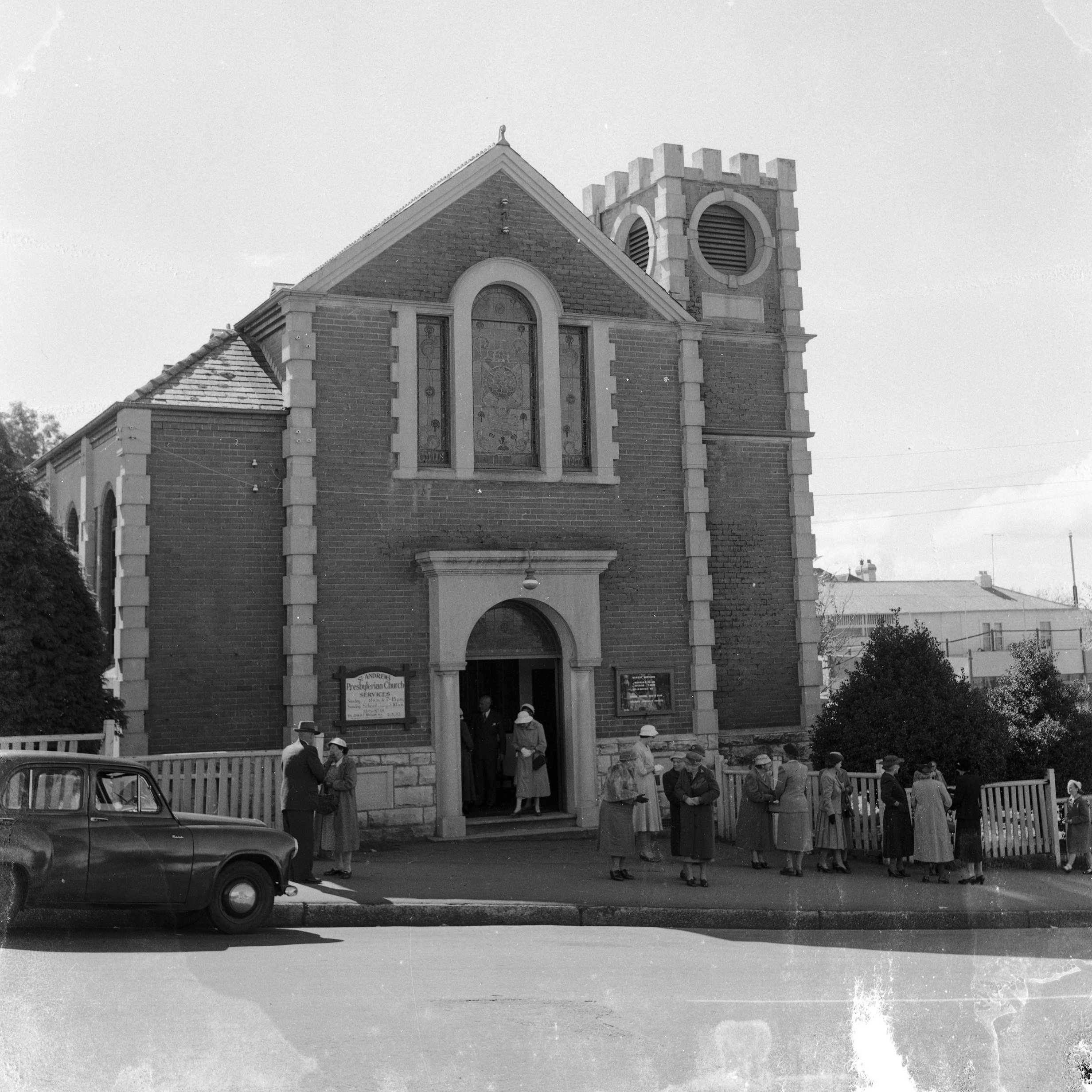
Housed inside the Federation Romanesque-style St. Andrew's Church, which dates back to 1913, BOWERY is not only a restaurant, but a beautiful architectural setting.
The team behind Katoomba’s iconic Avalon Restaurant and Cocktail Bar have reinvented this historic building to create a unique and memorable dining and entertainment venue.
Lead by Dylan Brookes and David Cartwright, BOWERY is all about enjoying simple, delicious food with your favourite people.
The culinary team offer an ever-changing menu made for sharing, which focusses on locally-sourced, seasonal ingredients. Start with a selection of small plates, mostly plant-based, or a trio of house-made dips. Move on to flavour-packed mains, perhaps the lamb shank, garlic chicken or barramundi. And always leave room for dessert – our banana cheesecake will keep you coming back for more…
Drinks are imaginative and showcase local producers, including wines from the nearby central ranges, handcrafted cocktails utilising Australian-made spirits, and unique craft beers brewed right here in Katoomba.
Take a seat in the atmospheric light-filled dining hall, or under the umbrellas in our leafy courtyard and soak up the fun, flavour and relaxed vibes at BOWERY.
We look forward to seeing you!
St. Andrews, Katoomba
115 Years of History
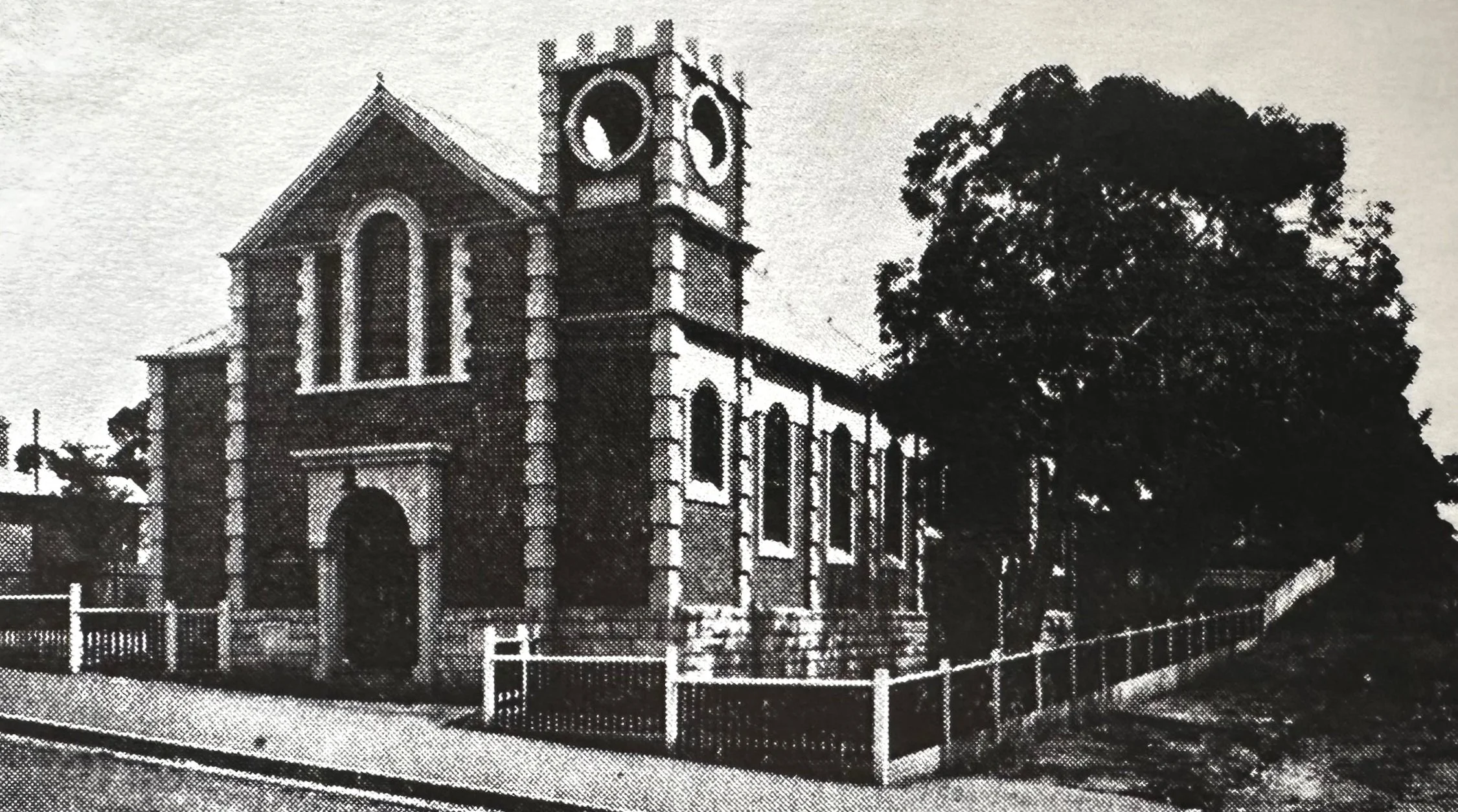
1911: The Plan
On 9 January 1911 a meeting in Katoomba declared that ‘the Presbyterian residents in Katoomba deem that the time has come for the establishment of a Presbyterian church’ and a committee of four was set up, consisting of the local minister, the Rev. R.A. Redmond, the prominent Katoomba doctor, Alexander Allan, J. Nimmo and L. Duff.
Inspiration for the Church came from Reverend Robert Alexander Redmond, who was a Presbyterian Minister at Leura and Wentworth Falls between 1905 and 1911.
In 1911 the vacant land on the corner of Waratah and Lurline Streets was purchased for £500 by the Trustees of the Presbyterian Church of Australia, and the local people decided to proceed to build ‘a substantial and ornate church’.
Robert Redmond died on 11 November 1911 but the idea of a church did not die with him.
On 20 June 1912, a meeting was held and it was decided that the people of Katoomba should form themselves into a congregation and get to work to build a Redmond Memorial Church at Katoomba.
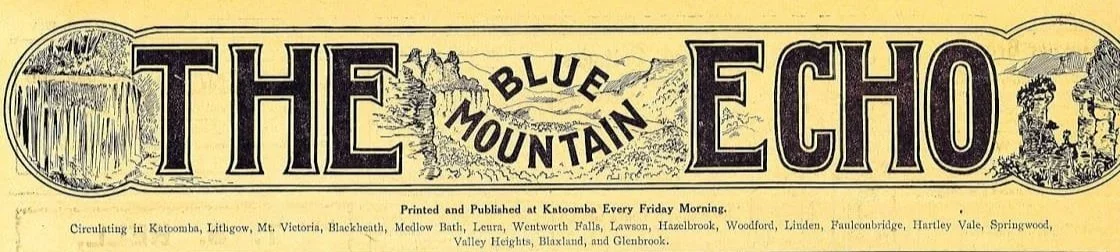
An open competition was advertised in the The Blue Mountain Echo, Friday 6 December 1912:
“KATOOMBA PRESBYTERIAN CHURCH COMPETITIVE DESIGNS for the above Church will be received by the undersigned till 18th instant, for a Church constructed, of Brick or Concrete, and providing for a minimum seating accommodation for 300 people, at a cost not exceeding £1,000, An honorarium of two Guineas will be paid to the competitor whose design is adopted. T. Lawrie, Secretary.”
This was won by P. Gordon Craig, whose design was formally accepted early in 1913.
1913: The Foundation Stones
Tenders were called upon the winning design and the contract was secured by Mr. A. M. Duncan for £1500 (approximately).
The foundation stones for the new St Andrew’s were laid on 9 July 1913 by the Moderator, the Rev. Alexander Smith and by Mr Albert Kemp. For the foundation stone laying ceremony, a platform was erected on the frontage of the new structure. In attendance were Rev. W. A. Bradley (Chairman), Rev. Alex., Smith (Moderator), Rev. E. A. Ferguson. Rev. J. F. S. Russell, Mr P. D. McCormack and the Architect, and about 150 members and supporters.
The singing of the ' Old Hundredth ' was followed by scripture lesson and prayer by the Rev. Mr Ferguson. Records were sealed and placed beneath the stones. These consisted of copies of the leading city and Mountain papers, also copies of the first Church report, the order of service for the day, coins of the realm and a set of Commonwealth stamps.
The architect then presented a silver trowel each to the Moderator and Mr. Kemp and the stones were “well and truly'' laid while the hymn, 'The Church's One Foundation' was being sung. After the dedicatory prayer by the Moderator, the Rev. Mr. Ferguson made an appeal for help in the continuation and completion of the church. This appeal resulted in the immediate giving of £175 including a cheque for £100 from Mr Kemp.
1913: OPENING
During construction several winter storms, with strong westerly winds, caused some of the partially built walls to collapse, but the Church was eventually built.
The contractor, A.M. Duncan, completed the church promptly and the church was opened on Wednesday 17 December 1913.
The Stonemason was Mr Pattison, who also built the Carrington Hotel’s front stone wall, gates and Piazza foundations.
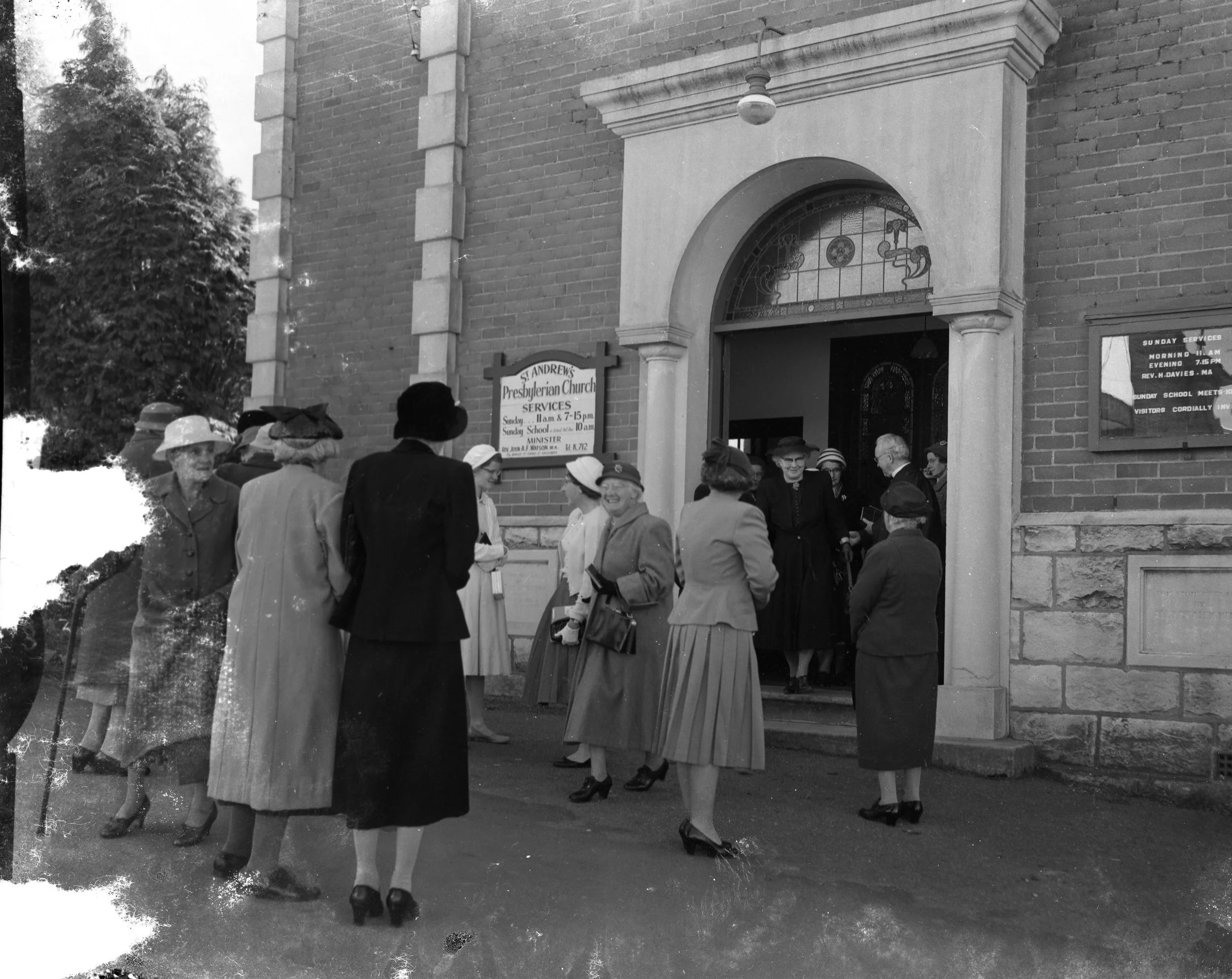
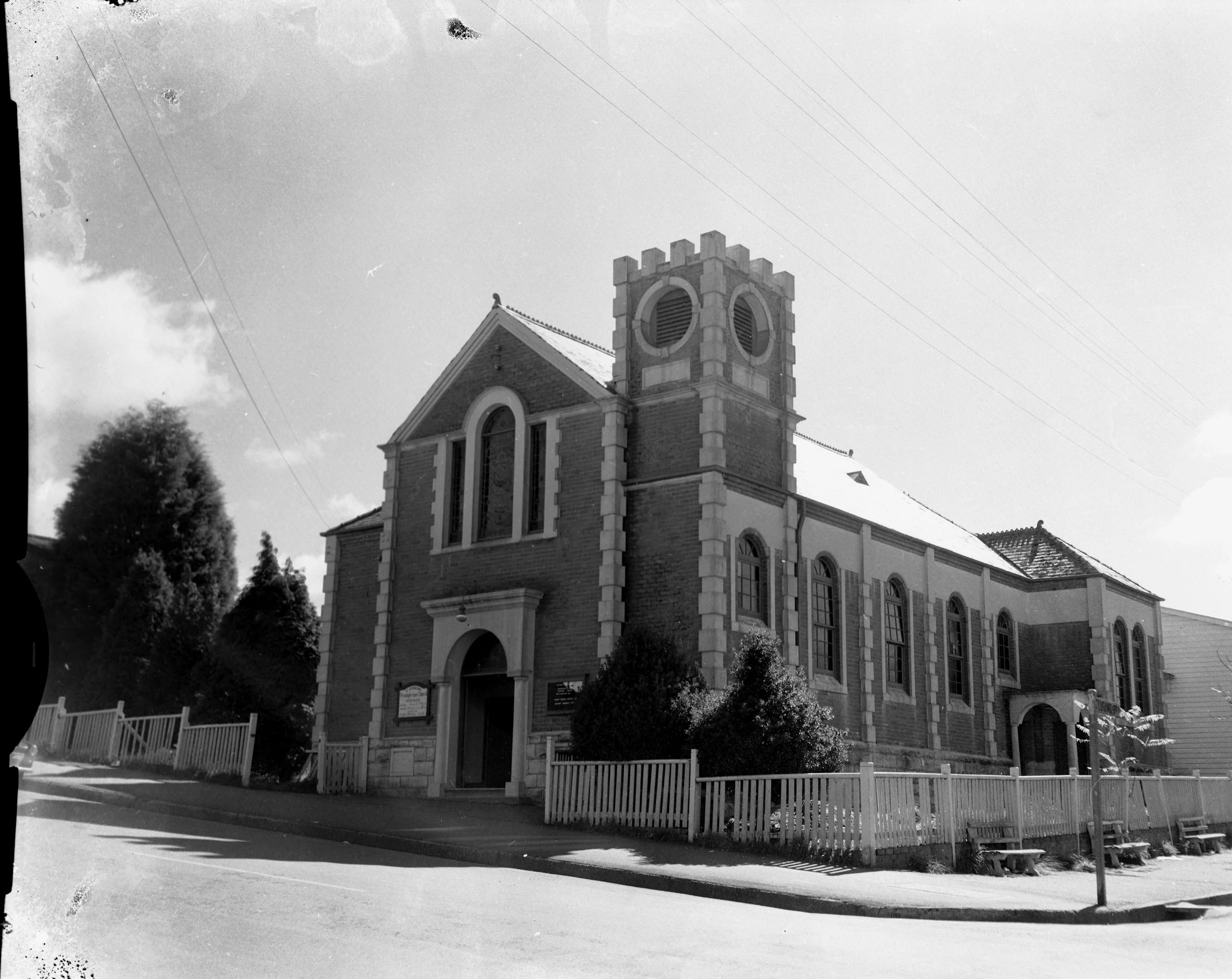
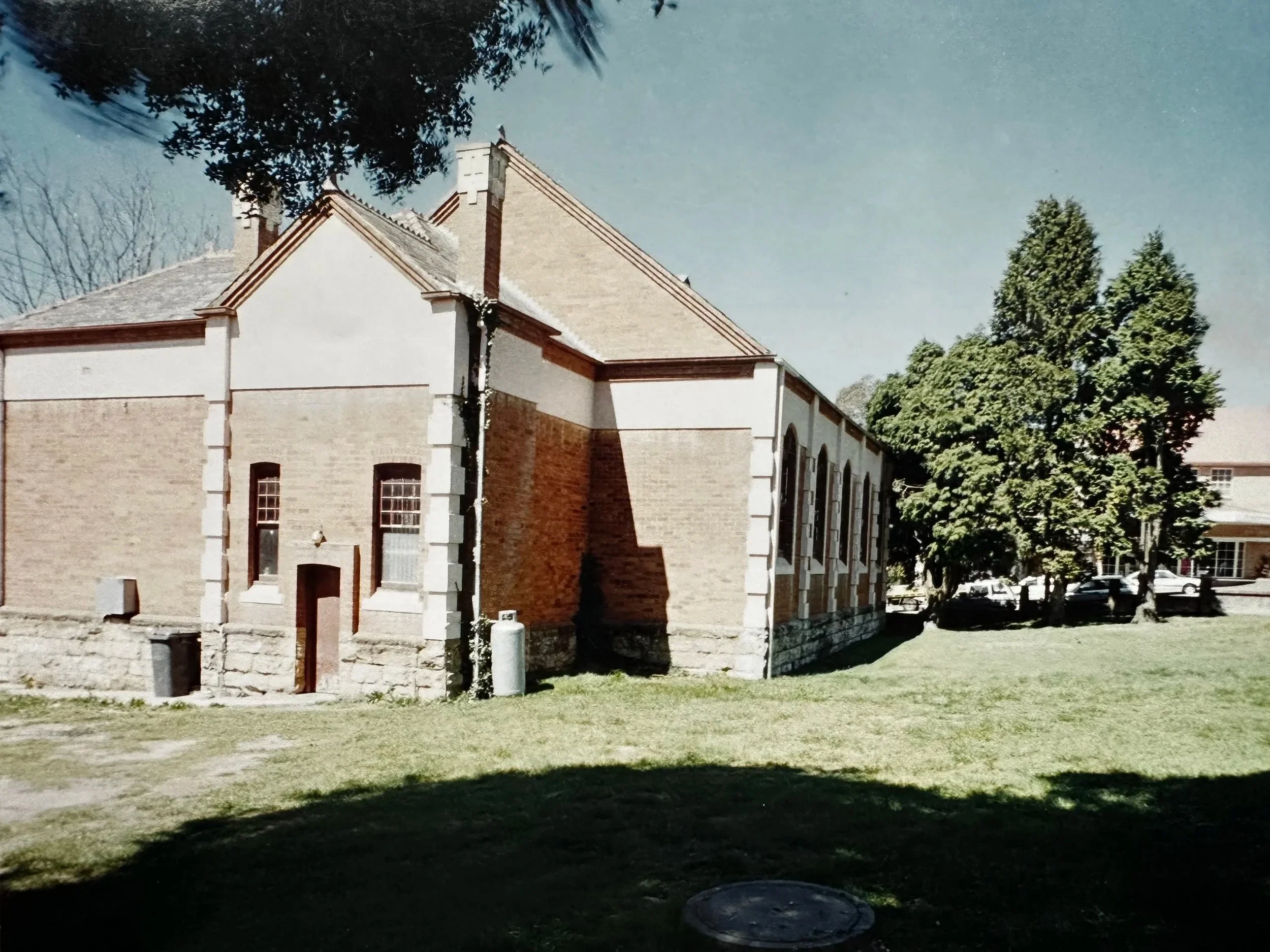
The building that finally grew is a large brick church in the Federation Romanesque style facing south to Waratah Street.
The church is divided into 5 bays plus an entry and a rear gabled wing. A belltower is located on the southeast corner closest to Lurline Street. It is built of brick with a sandstone base and rendered quoins and bands at frieze level. The roof is of slate with terracotta ridging.
The first Presbyterian ordination and the first settlement of a Presbyterian minister in Katoomba occurred on Monday 26 January 1914 when the ordination and induction of the Rev E A Ferguson into the pastorate of the Presbyterian church occurred at Katoomba. Nearly 300 people attended gather service.
THE STAINED GLASS WINDOW
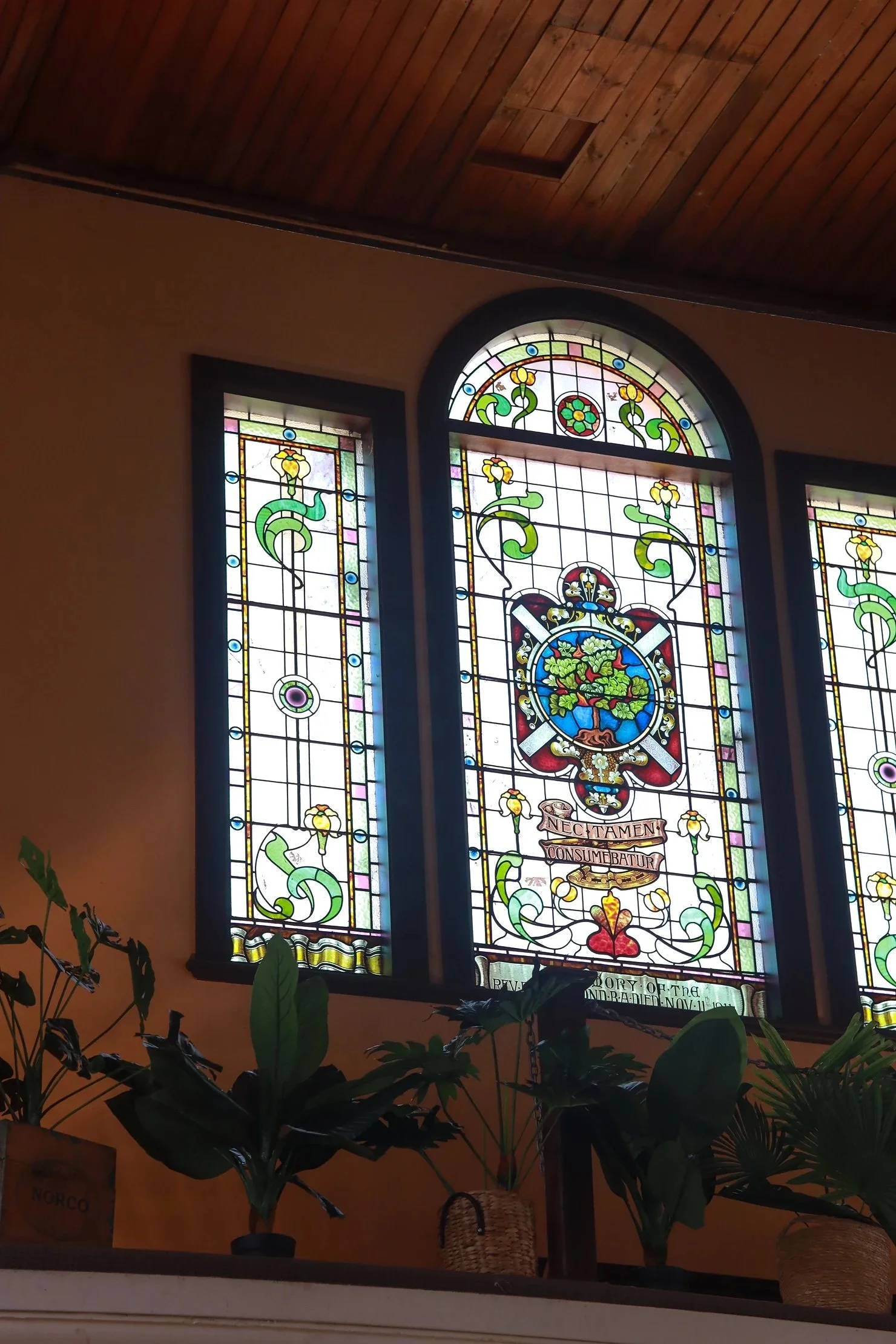
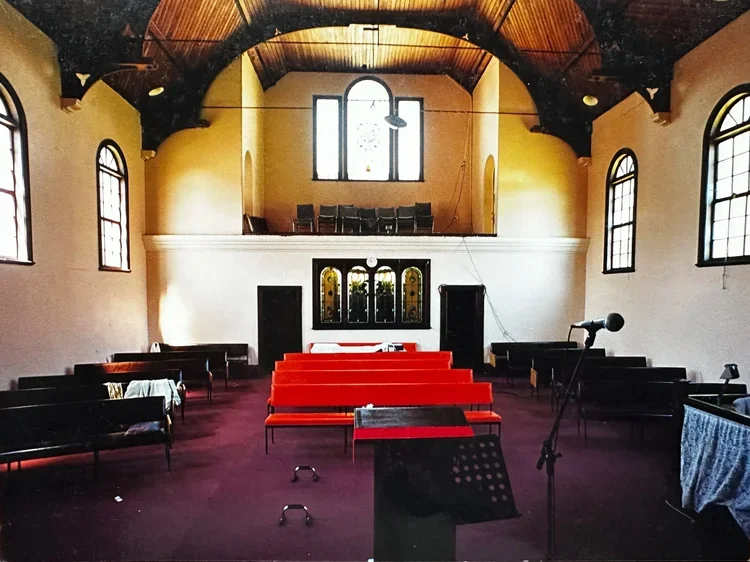
Because the new building was not fully funded by the Church, it was not possible to name it the Redmond Memorial Church and the local people settled for a stained-glass window in Redmond’s honour instead.
The inscription reads:
Nec Tamen Consumebatur
In memory of the Rev R A Redmond B A
Died Nov 11 1911
The Redmond window was installed in time for the opening by the makers, F. Tarrant and Co. of Darlinghurst, in Sydney.
1941: MISS LONG’S SCHOOL
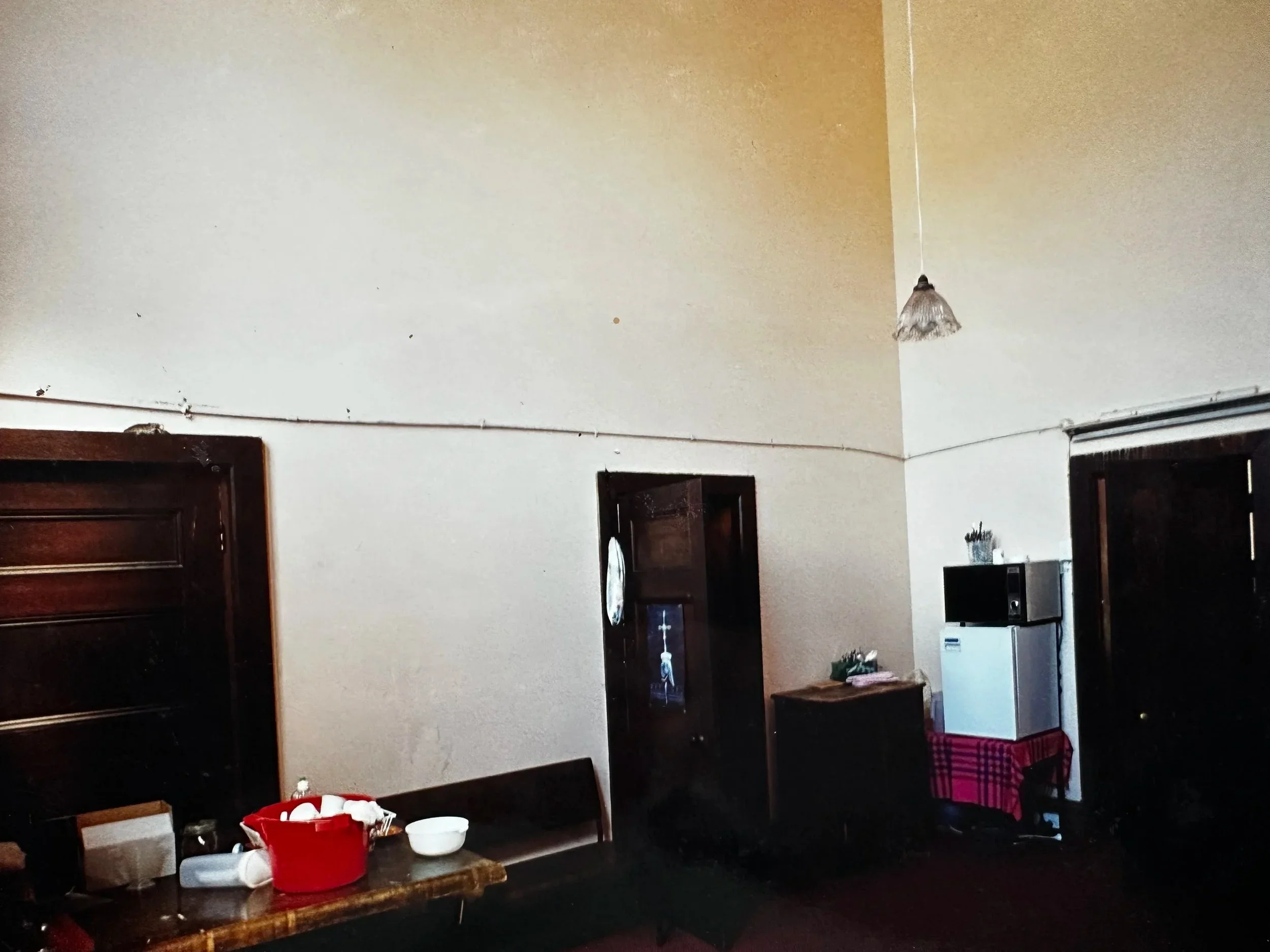
Later, a Church Hall was built for ₤600, and during the 1950s housed Miss Long’s School, where boys and girls from kindergarten to year 4 received a very strict and formal education, mainly in arithmetic (especially long division and multiplication) and handwriting.
1971: CLOSURE
After fifty years the church faced difficulties. In 1966 the Session Clerk in his annual address to the congregation said: ‘This report would fail in its purpose if it did not highlight the fact that even with a congregation potential in Blackheath-Mount Victoria much greater than Katoomba - the church is declining’.
In July 1968 a special meeting of these three congregations agreed in principle that Katoomba should join Leura parish and that the other two should join Lithgow, but in a further meeting in November the three congregations voted narrowly against these amalgamations, spearheaded by the opposition of Katoomba.
The decision to close the Katoomba church proceeded, however, and the communicants’ roll ended in 1971. The church was closed before the Uniting Church was formed.
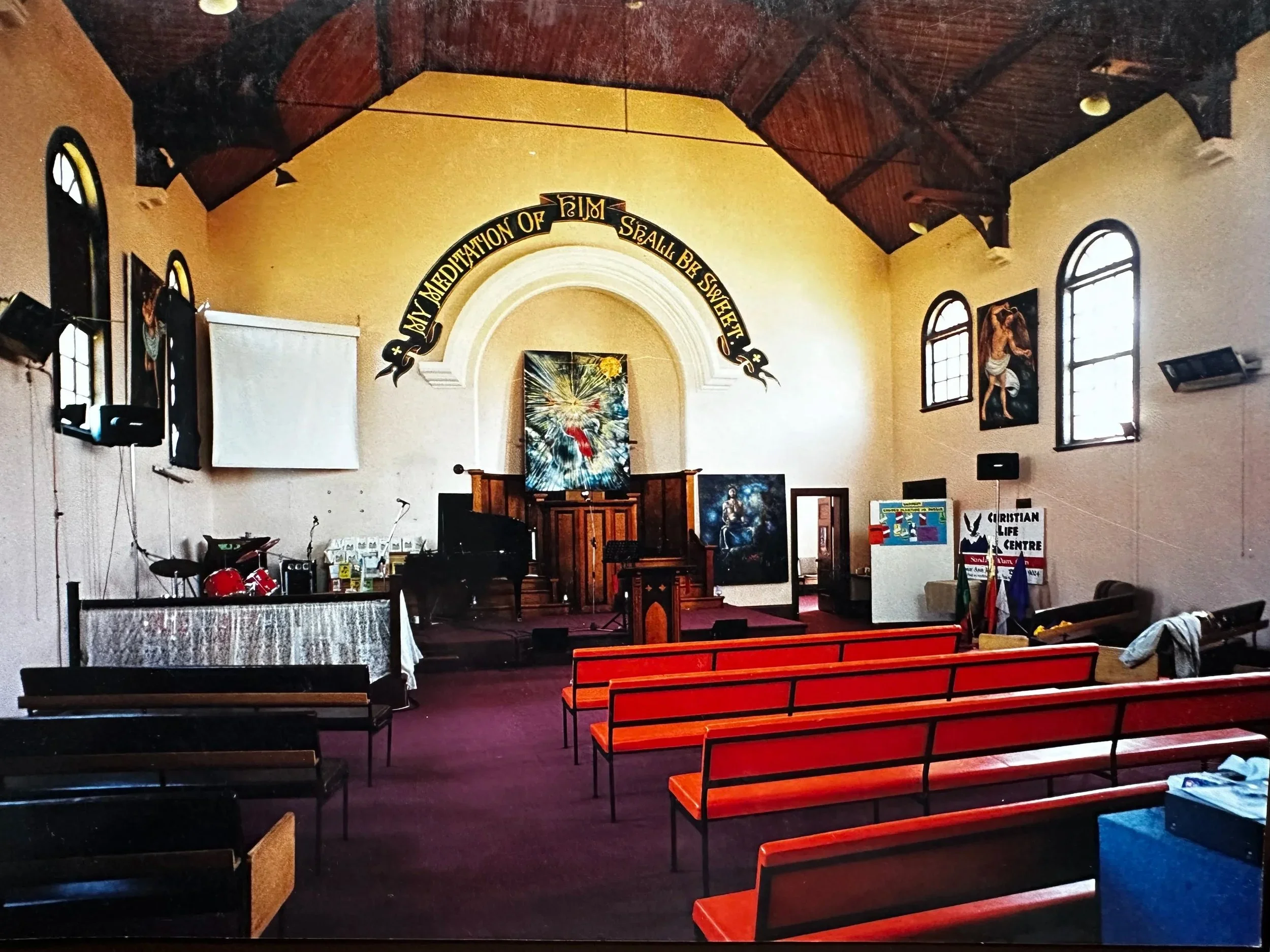
1993: Katoomba community church
The Blue Mountains Gazette, 17 February 1993, under the headline, “Facelift for St Andrew’s” announced that the parishioners of the “Presbyterian Parish which owns the building” supplied the materials for the renovation work and the “manpower” was supplied by the Katoomba Community Church which was at that time meeting in St Andrew’s. The services were to begin on Sunday February 21 at 10 am. Regular services would be held at 10 am and 6 pm and midweek worship services were due to start in March.
The Gazette mentioned that the Community Church emphasised systematic bible teaching, and contemporary worship including the use of drama and dance.
The Gazette also indicated that the church used to be known as the North Katoomba Assembly of God and had met for about 40 years in a small fibro building in Victoria Street, North Katoomba.
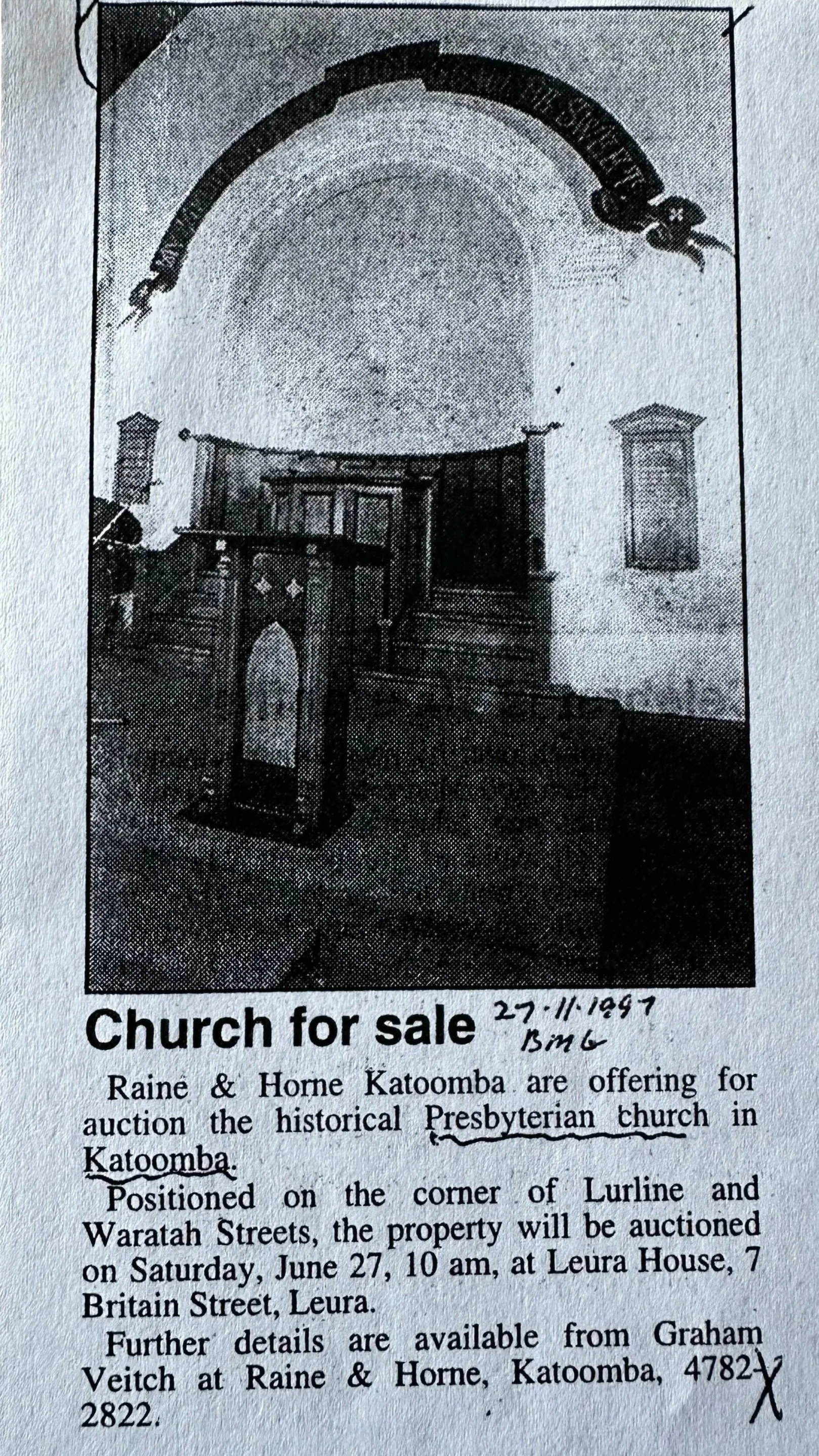
It is unclear how long the Community Church used St Andrew’s however, the church was offered for sale in the Blue Mountains Gazette, 27 November 1997.
2000: Church Collectables
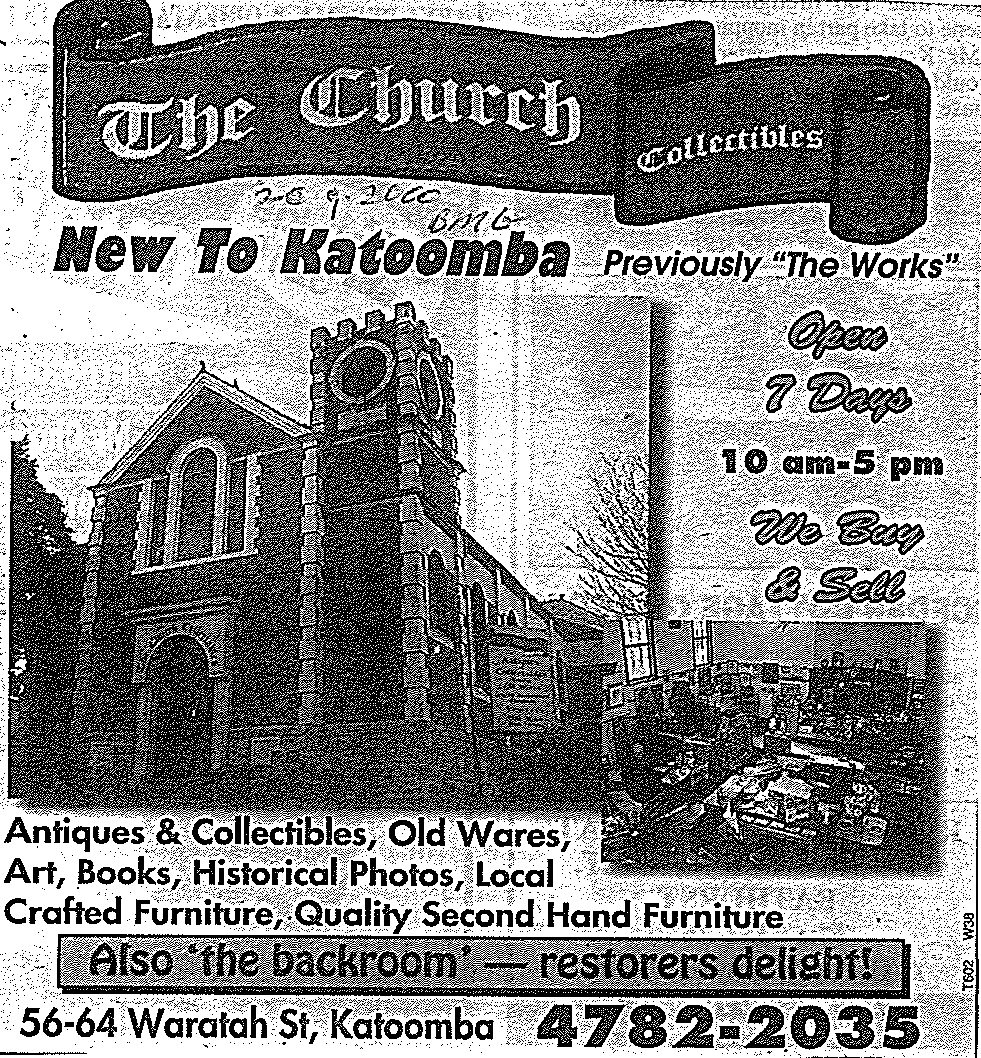
The building was at first an antique shop, called Church Collectables. An advertisement for the antique shop appeared in the Blue Mountains Gazette, 20 September 2000. The original pulpit and the Redmond window were a feature of the shop.
2001: Satchmo’s Licensed Jazz Restaurant
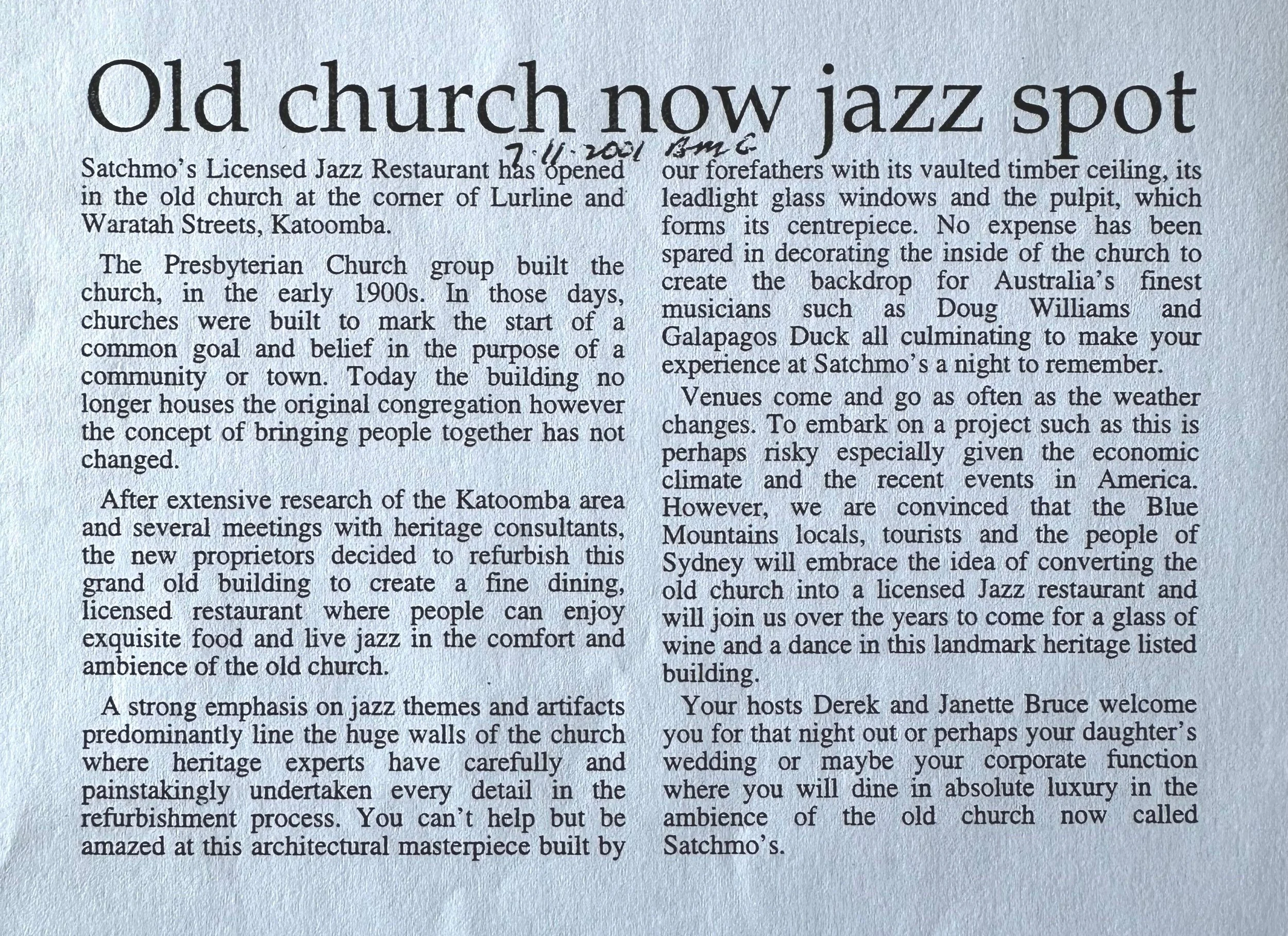
The building was refurbished to house a fine dining, licensed restaurant where guests could enjoy exquisite food and live jazz in the ambience of the old church. Jazz themes and artefacts lined the walls of the interior while some of Australia’s finest musicians, such as Doug Williams and Galapagos Duck, performed for guests.
Derek and Janette Bruce were hosts and emphasised fine dining and a venue for weddings or corporate functions.
2008: Mes Amis
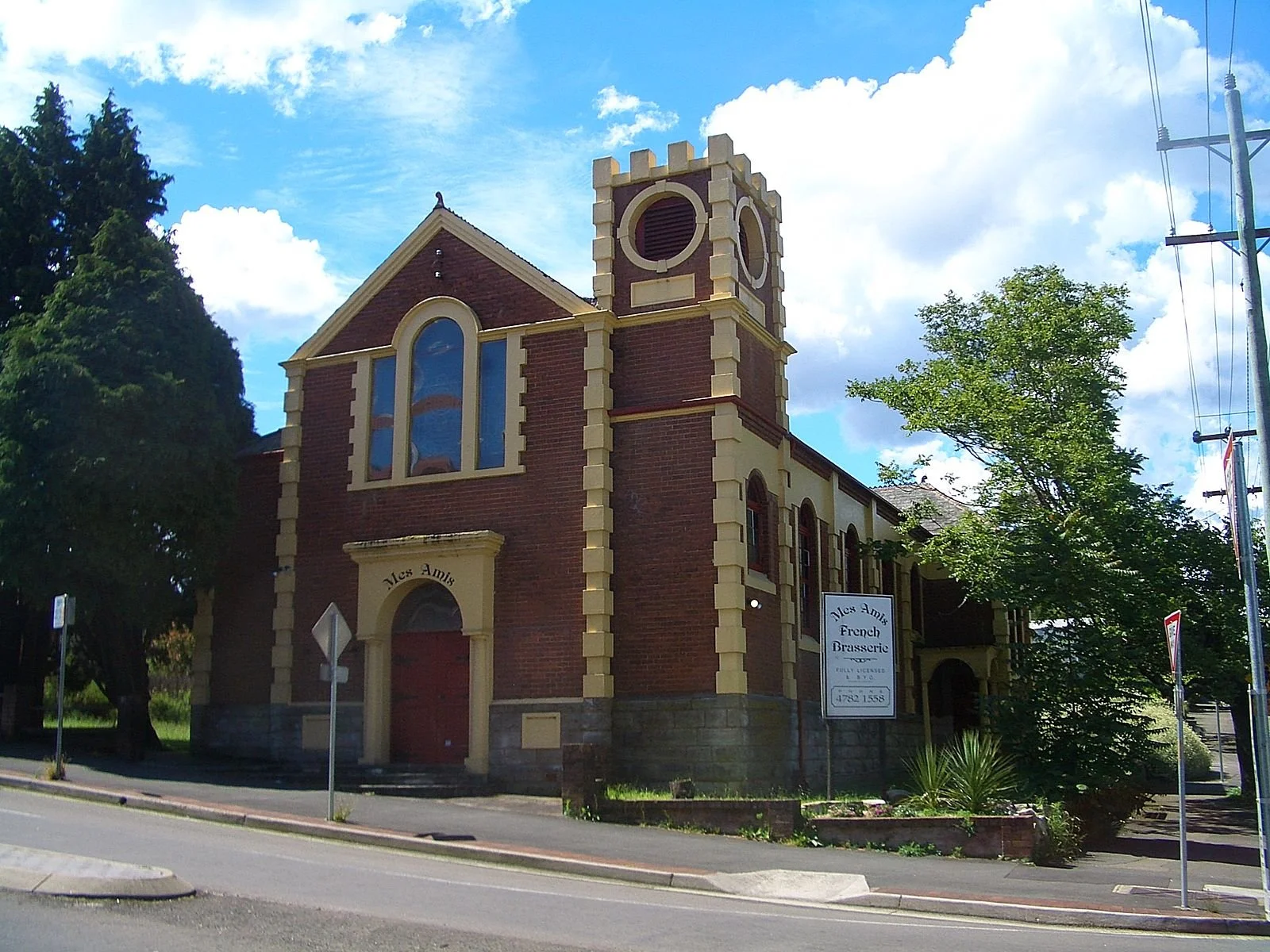
The building was home to Mes Amis French Brasserie.
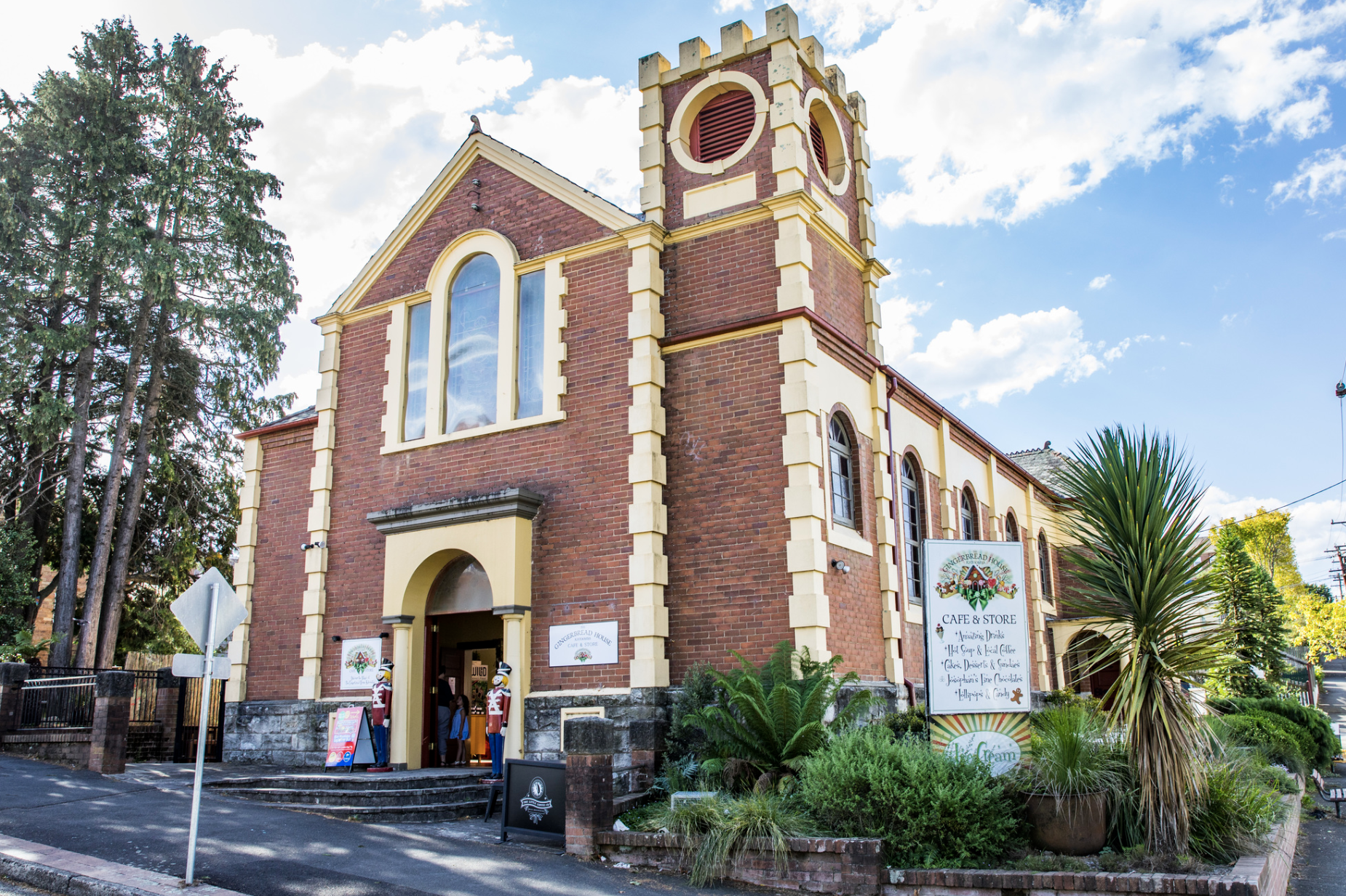
2013: The Gingerbread House
The Gingerbread House was a celebration of all things sweet and fun. The 100-year-old church provided the perfect backdrop for a wonderland of fairytale-like decorations and treats.
2023: Bowery Kitchen & Bar
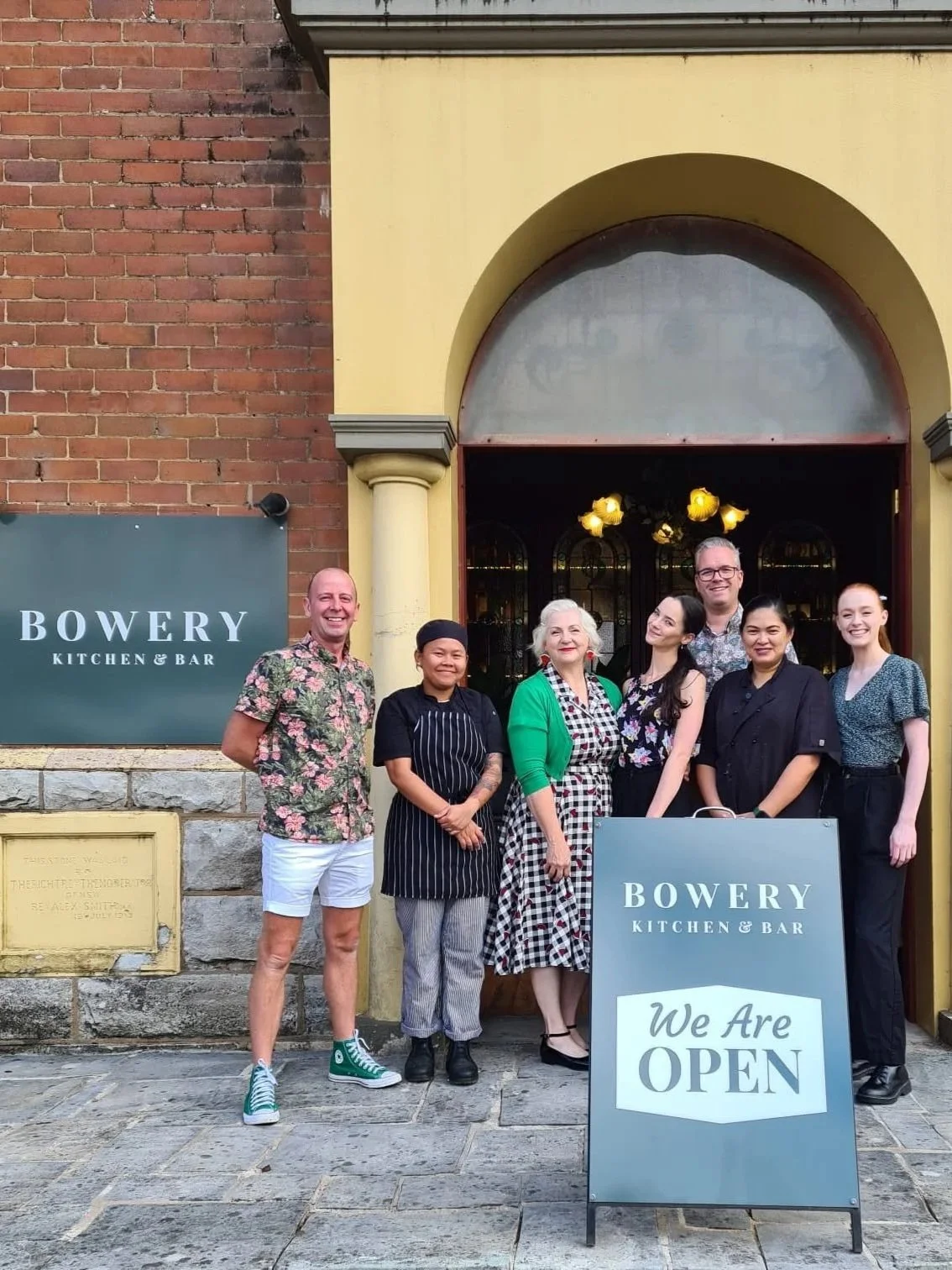
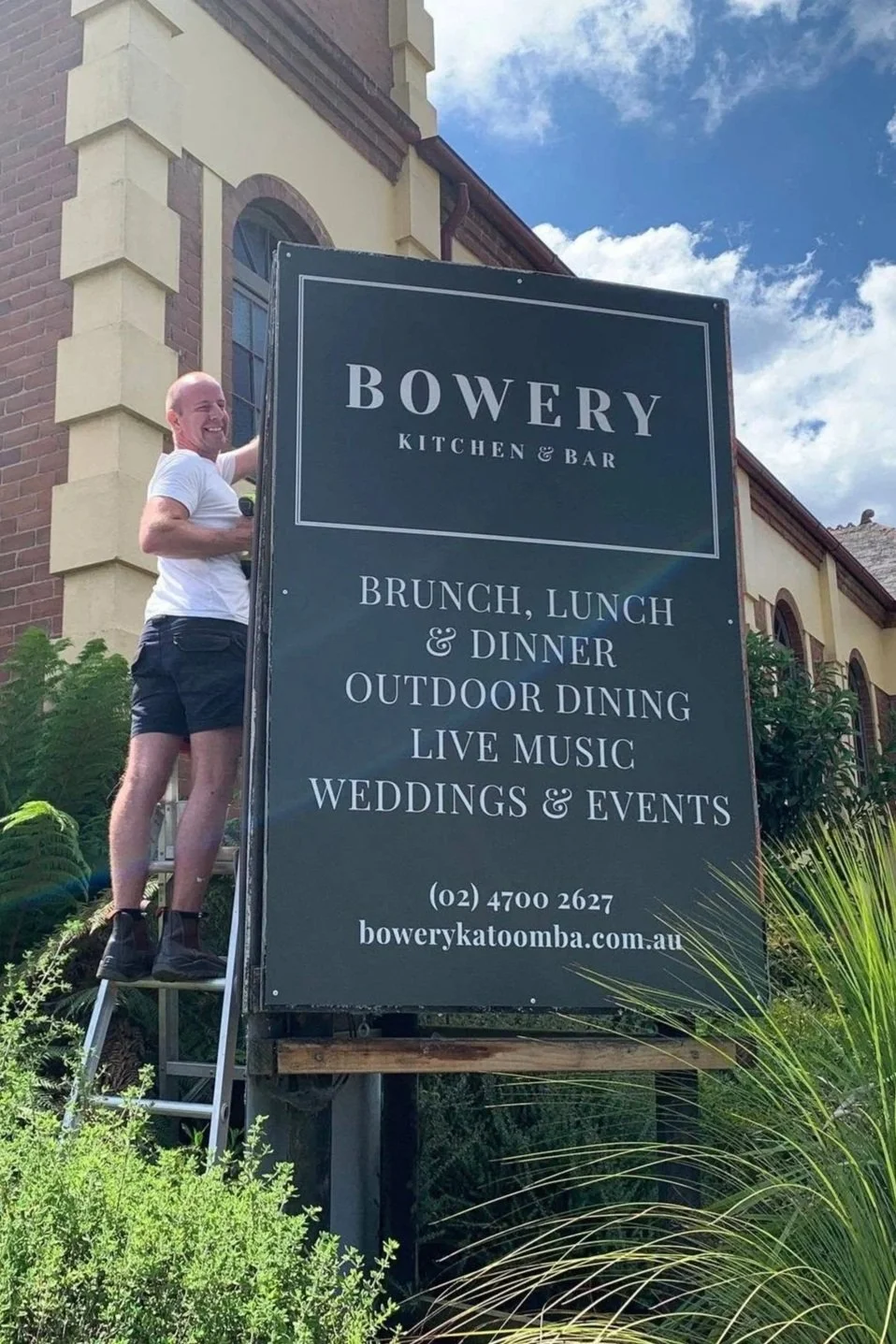
The former Katoomba Presbyterian Church building stands on the Corner of Waratah and Lurline Streets, Katoomba.
Officially, it is No. 56-64 Waratah Street, Katoomba. Parish of Megalong, County of Cook. It stands on the Country of the Darug and Gundungurra peoples.
Thanks to Robyne Ridge and Stephen Davis, Blue Mountains Historical Society, 21 July 2023.